Blog
GROWTH IN ALCOHOL-FREE FRAGRANCES THE RISE OF OIL-BASED AND WATER-BASED PERFUMES
Perfumes play a crucial role in the daily rituals of many people. Whether used to express personal style or enhance one’s mood, perfume has the power to evoke emotions and memories in a way few other things can. But have you ever wondered, “how is perfume made?”
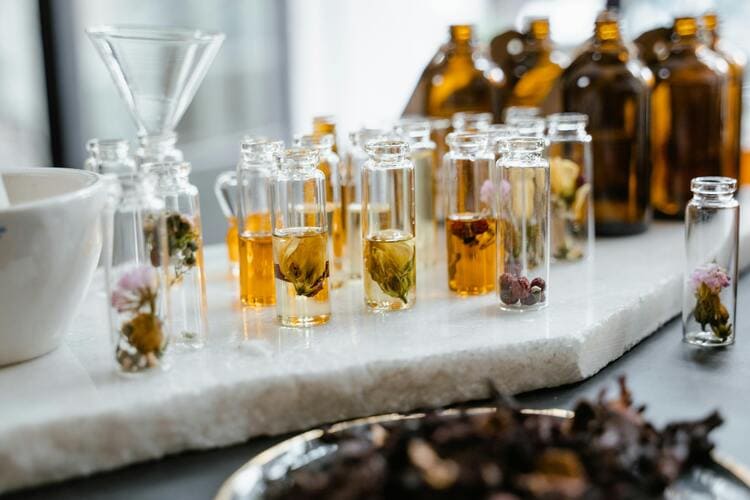
Creating a perfume involves several key steps: gathering ingredients, extracting essential oils, blending, aging and quality control. Many fragrances are crafted by extracting aromatic oils from natural sources, such as plants, fruits, woods and even animal secretions. Additionally, other resources like alcohol, coal, tars and petrochemicals can be used during the production process.
In the early 2000s, alcohol-free perfumes began gaining popularity. In the beauty industry and markets, people have become more conscious of the ingredients in their personal care items, and many seek alternatives to traditional Alcohol Based Perfumes. Alcohol is a substance that can cause skin dryness and sometimes irritation. However, for those seeking a gentler alternative, alcohol-free perfumes offer a solution. These fragrances are typically oil-based or water-based perfumes.
Why are Alcohol-Free Perfumes Becoming Popular?
Alcohol-free perfume is not a new concept. It draws its inspiration from ancient traditions. Here are several key factors and advantages that drive the demand for oil-based and water-based perfumes.
1. Skin-Friendly
Alcohol in perfumes can cause skin dryness, irritation or allergic reactions, especially for people with sensitive skin. Oil-based and water-based perfumes are gentler, making them the best choice for those who prefer natural and skin-friendly fragrance options.
2. Longer-Lasting Scents
Unlike alcohol-based perfumes that evaporate quickly, oil-based perfumes have a slower diffusion rate, increasing the longevity of the scent on the skin. This is a great choice for people who want a fragrance that stays throughout the day without needing frequent reapplications.
3. Cultural and Religious Preferences
In some cultures, especially in the Middle East and Muslim-majority countries, alcohol-free perfumes are preferred due to religious beliefs. Attar oils and water-based perfumes have been used for centuries in these countries.
4. Natural and Environmentally Friendly
Many consumers are now recognizing the environmental impact of alcohol production and choosing eco-conscious beauty products. Since water-based and oil-based perfumes often use natural, they are considered more sustainable and environmentally friendly.
While alcohol-free perfumes offer many benefits, there are also some disadvantages.
1. Less Evaporation and Projection
Alcohol helps the fragrance to evaporate quickly and disperse into the air, creating a stronger scent sillage. Alcohol-free perfumes, especially oil-based perfumes, are more subtle and have less projection, meaning they may not be as noticeable from a distance and making them less ideal for those who want to express their scent to others around them.
2. Higher Price
Alcohol-free perfumes, especially those made with high-quality natural ingredients or essential oils, can be more expensive to produce.
3. Heavier Texture
Oil-based perfumes can feel heavier on the skin compared to alcohol-based ones, especially in warmer weather. This is considerable for some people who are uncomfortable with a greasy texture on their skin.
Successful Alcohol-Free Perfumes
Many luxury and niche fragrance houses have introduced oil-based and water-based perfumes. Here are some successful alcohol-free fragrances:
1. Dior
Fragrance giant Dior introduced two water-based perfumes alongside their luxurious selection. Making headlines in 2022 with the release of their first ever water-based fragrance, “J’Adore Parfum D’Eau”, followed by “Baby Dior” in 2023.
2. Byredo
In 2024, Byredo launched an alcohol-free version of Mojave Ghost, with a water-based formula that reinterprets the original fragrance, lighter but long-lasting and very pleasant on the skin.
3. Guerlain
Guerlain also goes alcohol-free with a version of “La Petite Robe Noir L’Eau Rose EDP”, the brand’s first such perfume. It is made up of 92% natural ingredients. Their “Aqua Allegoria Forte” collection includes formulations that focus on more natural ingredients with lower alcohol percentages.
As the demand for alcohol-free perfumes continues to grow, more brands are embracing this shift by offering oil-based and water-based alternatives that align with modern preferences. This growing trend is set to redefine the future of the perfume industry, offering consumers a more natural and skin-friendly way to enjoy their favorite scents.
