
Blog
JAPAN EMBRACES “LOW-SILLAGE” SCENTS: SUBTLE AND RESPECTFUL IN SOCIAL SETTINGS
What is Sillage?
In the world of perfumery, “Sillage” is a French term borrowed from the French word meaning “wake”, referring to the trail of fragrance left behind when someone walks by. It’s the degree to which a perfume’s fragrance lingers in the air when worn.
Types of Sillage
- Strong Sillage – The perfume leaves a strong and noticeable trail scent behind the wearer.
- Moderate Sillage – The scent is noticeable but not overwhelming.
- Low Sillage – The scent stays close to the skin and can only be smelled when someone is very near.
The Cultural Shift Towards Subtle Fragrances
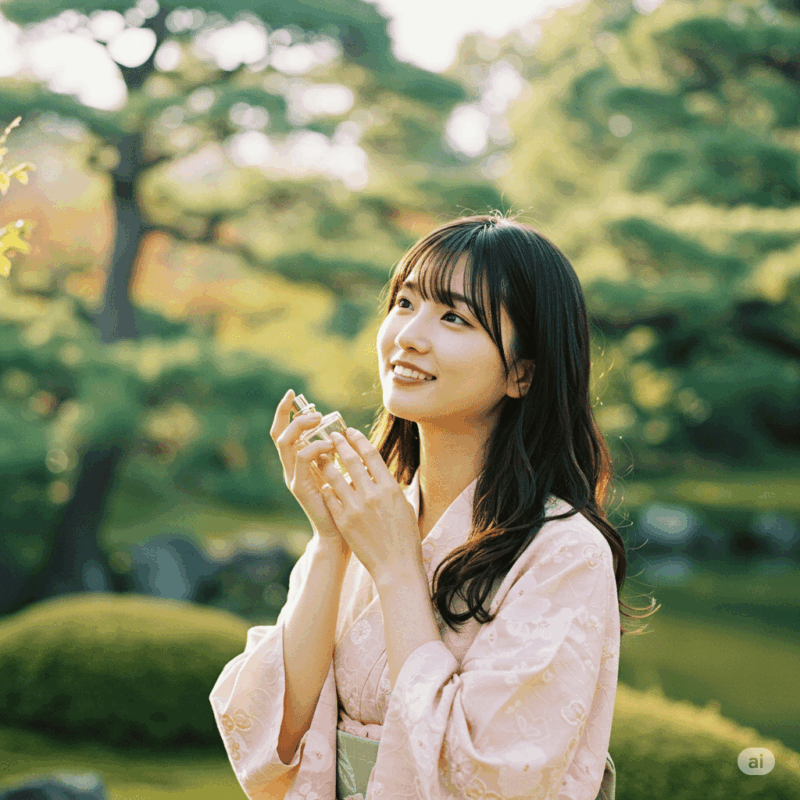
In recent years, the fragrance industry has seen a growing trend toward low-sillage perfumes, particularly in Japan. Many Japanese consumers have started wearing subtle, skin-close scents that don’t overpower and are noticeable only within a very short range. In Japan, strong perfumes that invade others’ personal space are often seen as inconsiderate.
Fragrance preferences in Japan are heavily influenced by social etiquette. Fragrance is often seen as a personal experience rather than something to announce to others around them. The concept of “wabi-sabi”, which finds beauty in simplicity and imperfection, also plays a role in this preference for soft and natural fragrances. Many Japanese consumers prefer perfumes that evoke freshness, cleanliness and a natural aura, rather than overpowering perfumes.
Why Low-Sillage Scents Are Preferred in Japan?
The Japanese preference for low-sillage perfumes is influenced by several cultural and social factors:
1. Respect for Others in Public
Japan’s cultural emphasis on respect influences their fragrance choices. In public spaces, including crowded trains, offices, or restaurants, it is considered impolite for one’s personal scent to overwhelm others. This is why light, subtle fragrances are preferred over bold, heavy fragrances.
2. Influence of Natural Elements
Traditional Japanese scents are inspired by nature, with notes of green tea, cherry blossoms, Hinoki wood, and yuzu citrus. These delicate and fresh aromas are deeply ingrained in Japan’s olfactory preferences, contributing to the rise of low-sillage perfumes.
3. Workplace and Social Etiquette
Japan has a professional culture that values neatness and politeness, where strong-sillage perfumes may be considered inappropriate in workplaces. Many offices even have unspoken rules discouraging wearing strong fragrances.
Brands and Perfume Houses Adapting to Japan’s Low-Sillage Trend
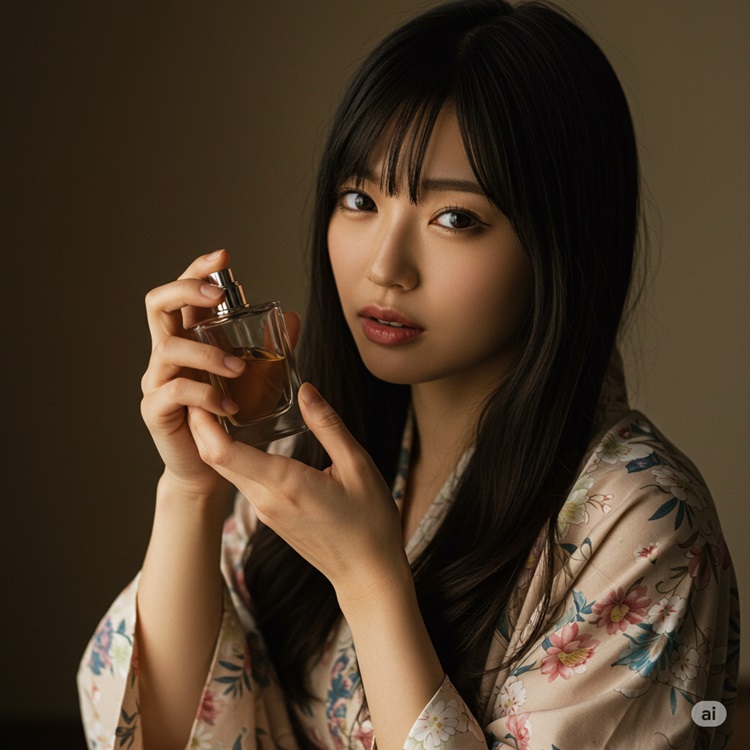
With this growing demand, many international and Japanese perfume brands are now designing scents that blend softly with the skin rather than project strongly into the air. Some popular brands leading this movement include:
Shiseido – One of Japan’s most renowned brands. A pioneer in Japanese perfumes, offering delicate and airy-scented fragrances.
Kenzo – A famous Japanese fashion house, known for soft and nature-inspired perfumes like “Kenzo Flower”.
Diptyque & Jo Malone – Western brands well-loved in Japan for their light and natural-smelling colognes that suit Japanese consumers.
With the growing popularity of subtle and skin-close fragrances, does the future of perfumery lean toward gentler, softer and more harmonious scents? As more consumers seek elegance in simplicity, Japan’s embrace of low-sillage perfumes could very well influence the evolution of global fragrance trends.

About Perfume Fresh
We are the best perfume seller in Bangladesh. Now, we have launched our business in UAE. You can order on Perfume Fresh. We need your support. Thanks!

